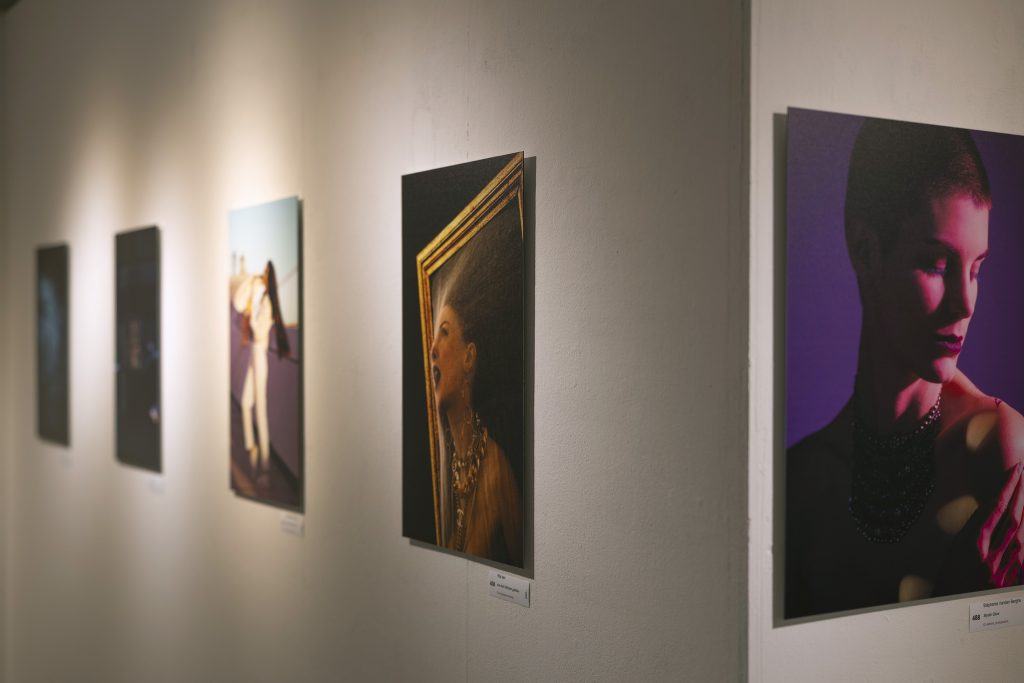
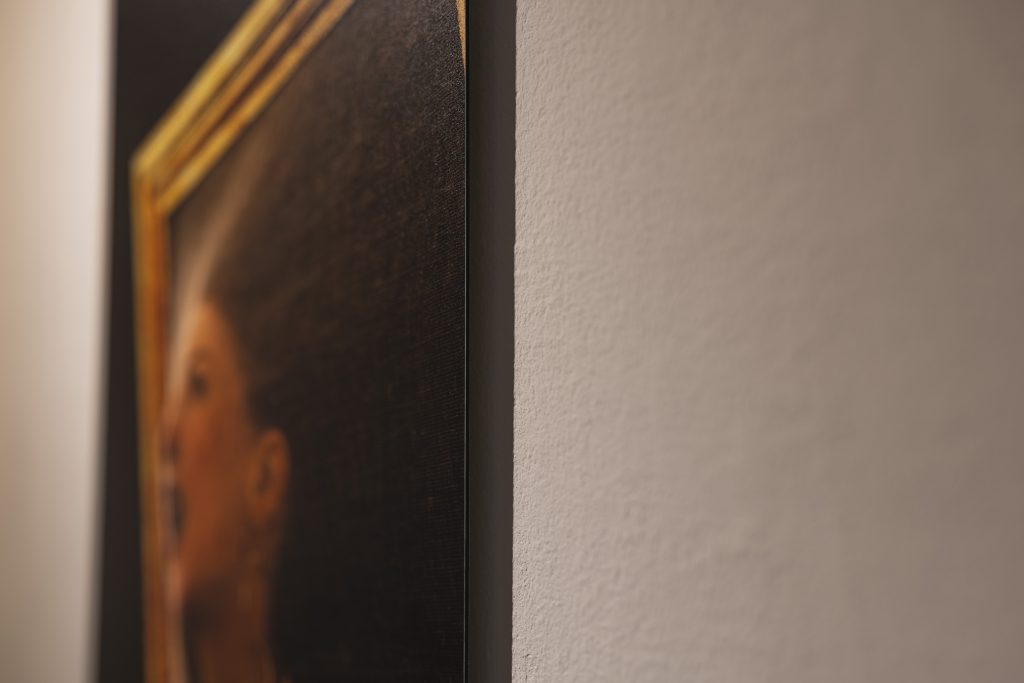
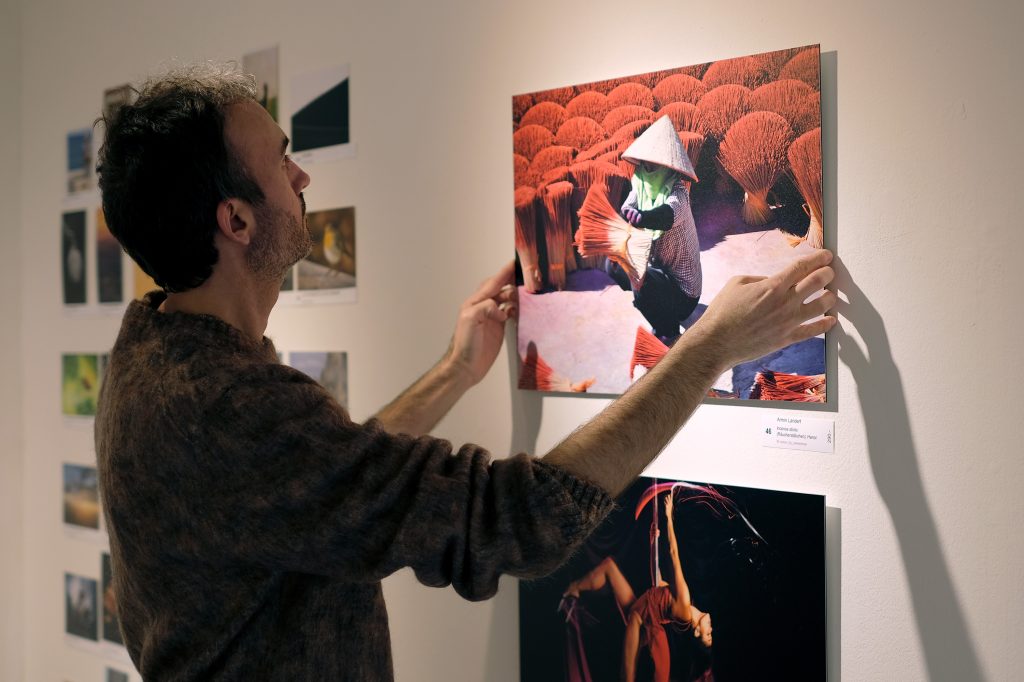
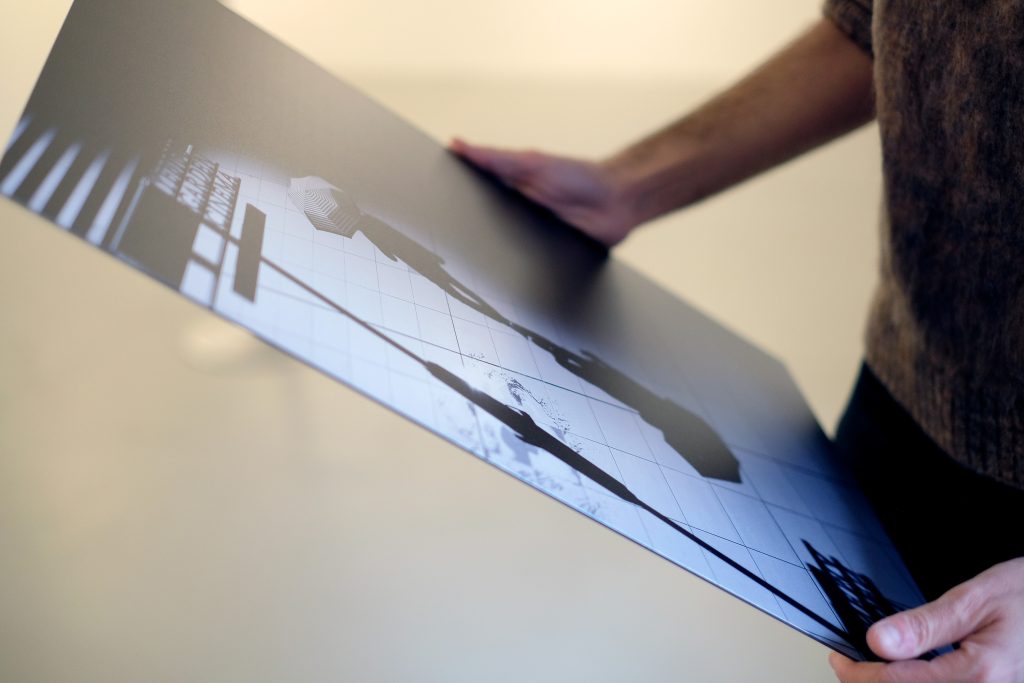
For the past two years, we have had the pleasure of supporting the Swiss Photo Club’s exhibitions as a production partner. For these exhibitions, we produce large, high-quality gallery prints with direct printing on aluminium, turning the photographs themselves into the defining visual element of the space.
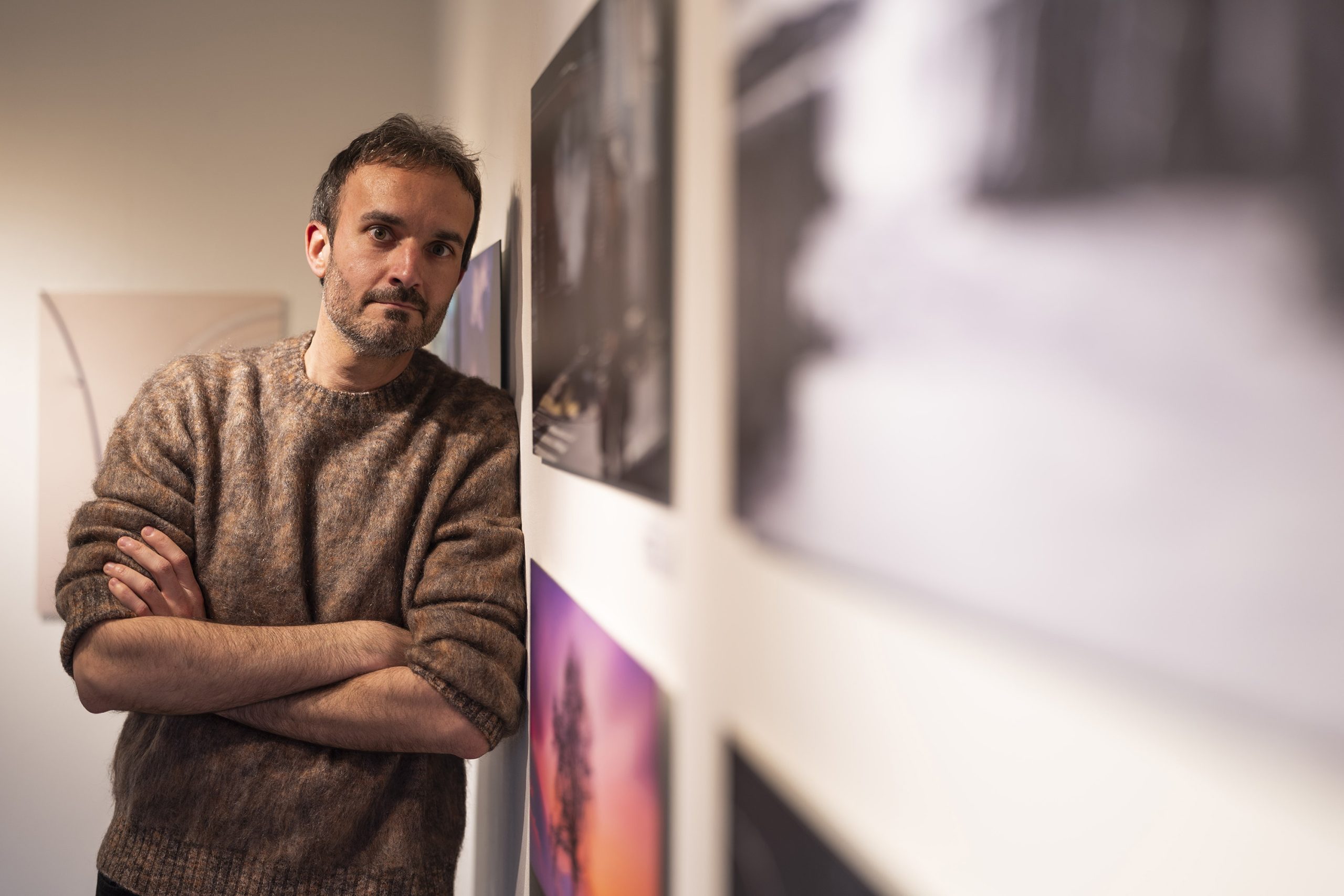
In this interview, Quim Vilar explains what makes the Swiss Photo Club special, why amateur and semi-professional photographers in particular feel so at home there, and what an image needs to fully unfold its impact on the wall.
Interview
For many people passionate about photography in Switzerland, the Swiss Photo Club has become an important point of reference. What makes the SPC special to you – and what do you offer your members and the community beyond exhibitions?
The Swiss Photo Club gives me the opportunity to meet extraordinary people from very different backgrounds who share an interest in photography, regardless of the area they specialise in. This social aspect of the Swiss Photo Club is something I find especially exciting, for example when I meet the same community again during our Photo Awards while at the same time getting to know new and inspiring photographers.
At the Swiss Photo Club, we aim to create a wide range of photographic offerings so that everyone can find something that suits them, regardless of their level of experience. This ranges from short, two-hour workshops on specific topics to longer photography-focused trips abroad. From complete beginners to professionals who want to take part in our celebrity masterclasses, there is something for everyone.
The SPC is aimed in particular at amateur and semi-professional photographers. Why is this target group especially exciting for you?
We are very happy to be the first point of contact for everyone who is passionate about photography but may not yet know exactly how they want to develop that passion. That is precisely why it is so meaningful for us to support amateur and semi-professional photographers on their journey.
When you enter an exhibition, the first impression is often decisive. What gives a large, high-quality print its impact, in your view?
It is a fantastic feeling to see a photographic print that has been produced and presented at such a high level. It almost leaves you speechless. This is especially true when you are looking at a wide range of creative photographs by different photographers.
Today, we see hundreds of images every day – but how often do we actually pause and take the time to truly look at an image and let all the details of a photograph resonate with us?
During our Photo Awards exhibition, we always look forward to speaking with visitors about the photographs – and not just on a superficial level. One of the most enriching moments for me is meeting the photographers and talking with them about the story behind their images and what those images mean to them.
For the past two years, we have been working together as your production partner for your exhibitions. What matters most to you in a partner behind the scenes so that everything comes together successfully in front of the audience?
From the very beginning, the Bookfactory team has done everything possible to deliver high-quality print results for our participants. Beyond the quality of the prints themselves, it has been a major advantage that Bookfactory shares the same philosophy and work ethic as the Swiss Photo Club – namely reliability, the ability to meet tight deadlines for our photo exhibitions, and great flexibility in implementing our requirements.
Preparing a photography exhibition such as our Photo Awards is a demanding process that requires close collaboration between different teams. That is why having a reliable print partner like Bookfactory, one that works professionally and contributes to a strong overall impression, is such a great advantage. I am very grateful for this wonderful and pleasant collaboration.
Our wall art for your exhibitions is produced in Switzerland. What concrete advantages does that bring for you? in der Schweiz produziert. Welche Vorteile hat das für euch ganz konkret?
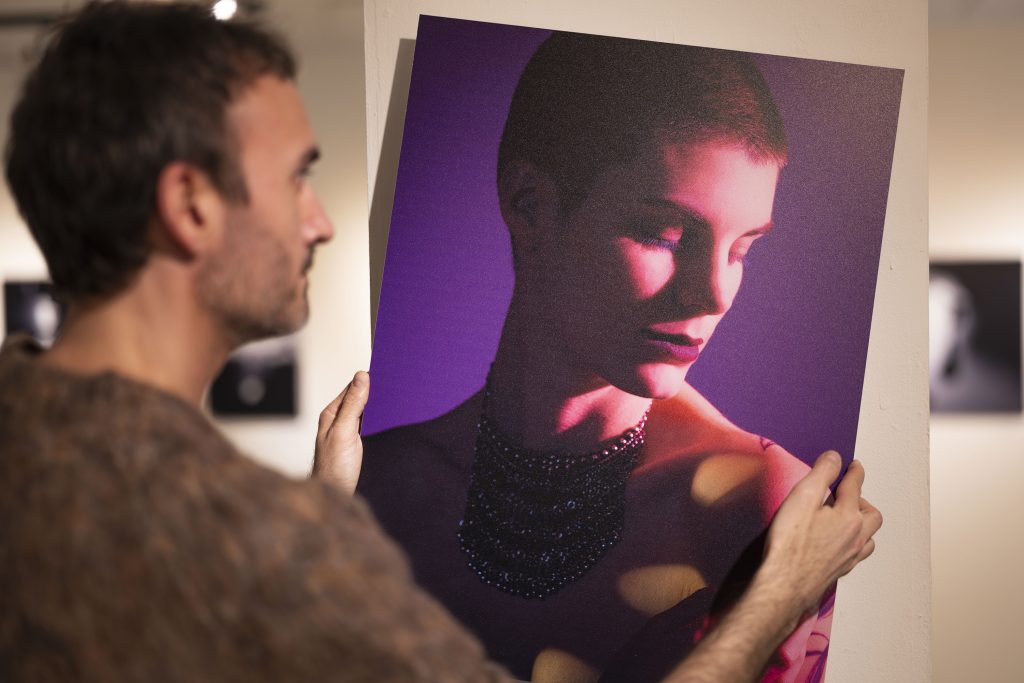
Working with a local print partner brings major advantages in everyday operations: short distances, direct communication, and therefore particularly fast coordination. This geographical proximity also gives us added planning reliability, because logistics routes are short and delivery deadlines can be met dependably.
In addition, personal contact ensures consistent quality that is perfectly aligned with our high standards. Ultimately, a local partner also represents strategic added value for us, based on mutual trust and regional value creation. This allows us to combine efficiency with craftsmanship of the highest precision, so that we can exhibit photographs in the best possible quality.
You are a geographer, landscape architect, project manager and passionate photographer. How do these different perspectives influence the way you look at subjects, people and stories?
Thanks to these diverse backgrounds, I have developed a holistic approach to photography. Like any art form, photography benefits from a wide range of influences. Knowledge is power – and that also applies to photography.
As a geographer, I have my own perspective on social and environmental issues. As a landscape architect, I have learned to perceive geometries and the architecture of a space more consciously. Through my long-standing interest in music, I have also developed a special sensitivity for music photography.
Gutes Fotografieren beginnt mitGood photography begins with the eye, with conscious seeing.
I strongly believe in learning how to “see”, rather than assuming that in photography it is above all the technical aspect or the equipment that matters. This way of seeing can develop in countless ways. It is up to each individual to recognise compelling and creative images and capture them photographically.
You describe photography not only as a technique, but as something holistic – as the interplay of artistic, social and organisational skills. What does that mean to you in concrete terms?
As a professional photographer, daily work requires many different skills that are not directly related to photography as a creative process or technical challenge. Clients often value other qualities even more: reliability, consistency, professionalism, good communication and flexibility are all key factors if you want to work successfully as a professional photographer.
That is why I am constantly working on developing these additional skills further, in order to complement my photographic abilities and improve every day.
And finally, a question that almost has to be asked: Quim is simply pronounced “Kim” – is there a story behind your name or your international background that still accompanies you today?
That is a question I am often asked. In my home region of Catalonia, Quim is a very common Catalan short form of Joaquim. In Catalan, the “u” in Quim is not pronounced.
Quim is pronounced ‘Kim’. And that name already tells part of my story.
I am deeply shaped by an international identity, since I have lived in different countries and speak several languages. But my name will always stay true to my roots. Even though it is a very specific name, it is part of my life story – and I enjoy telling the story behind it. I have always found unusual or country-specific names especially fascinating.
About Quim Vilar
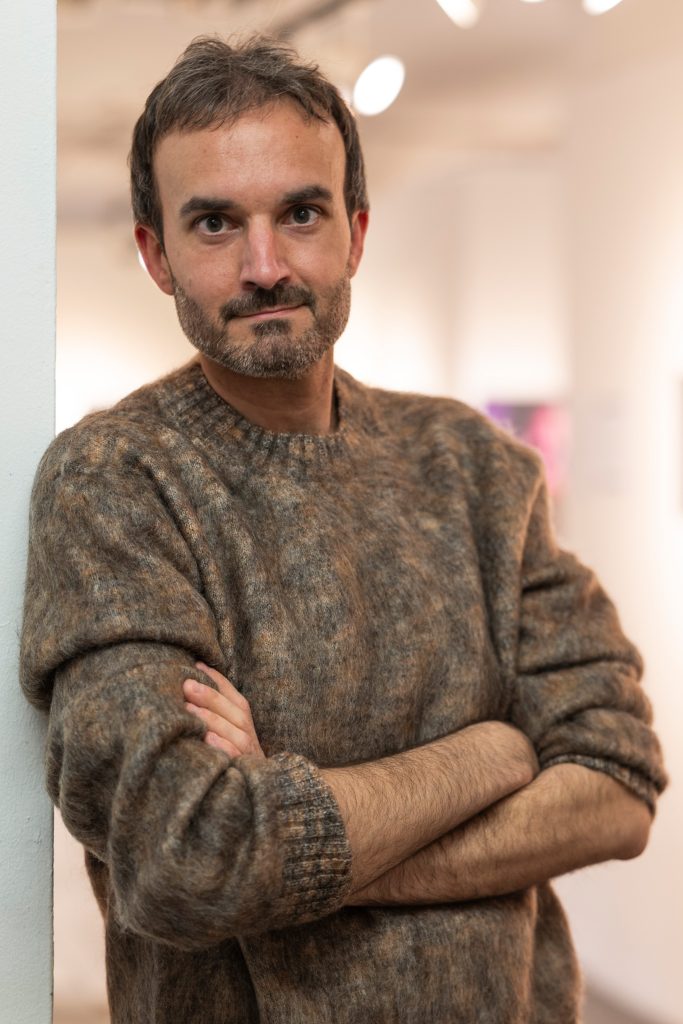
Quim Vilar is a photographer and Managing Director of the Swiss Photo Club. Trained as a geographer, landscape architect and project manager, he brings a range of different perspectives to his work and sees photography as a combination of creativity, observation and professionalism.
About the Swiss Photo Club
The Swiss Photo Club is a platform for photographers of all experience levels. It offers workshops, Photo Awards, trips, exhibitions and community events.
Quim Vilar (Instagram)
Swiss Photo Club (Web) Swiss Photo Club (Instagram)