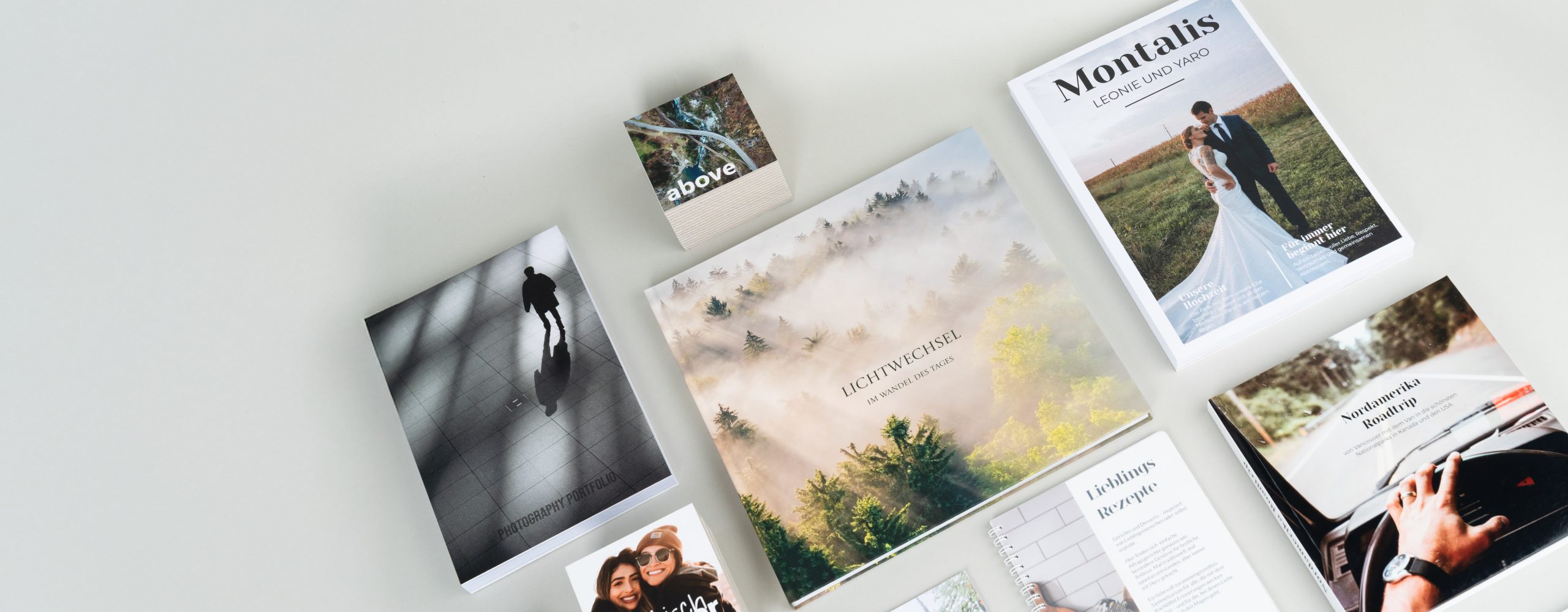
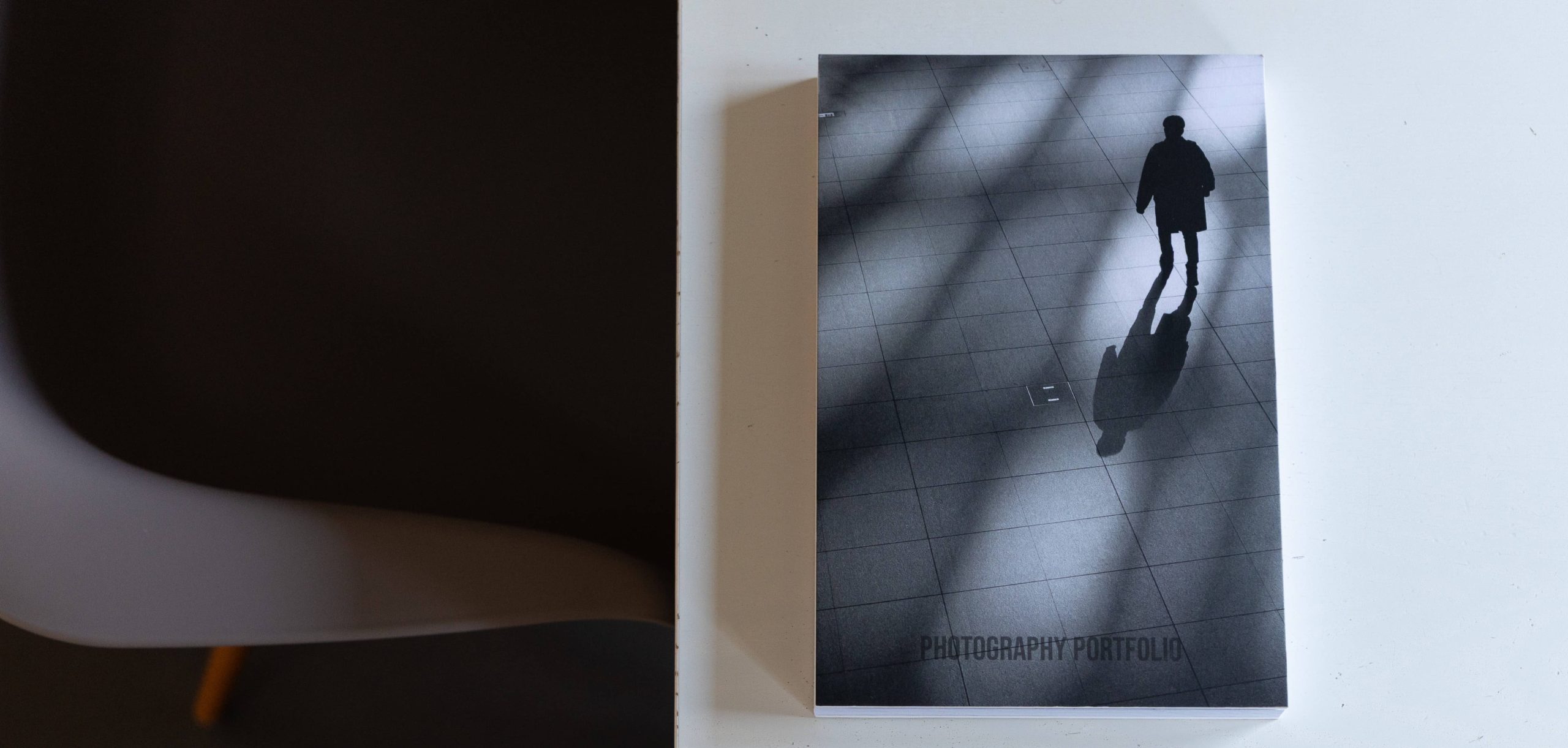
If you work in a creative field and want to impress galleries, agencies or discerning clients, a digital PDF on a tablet is often not enough. A tactile, expertly printed photo book immediately conveys quality, professionalism and dedication. When creating your portfolio, it is about much more than simply arranging a collection of beautiful images. It is the physical representation of your artistic identity and should feel like a genuine gallery piece.
Image Selection and Visual Narrative: How to Captivate Your Audience
An outstanding portfolio tells a story and holds the viewer’s attention from the first page to the last. The way you arrange your work has a significant influence on how your art is perceived.
Should You Arrange Your Work Thematically or Chronologically?
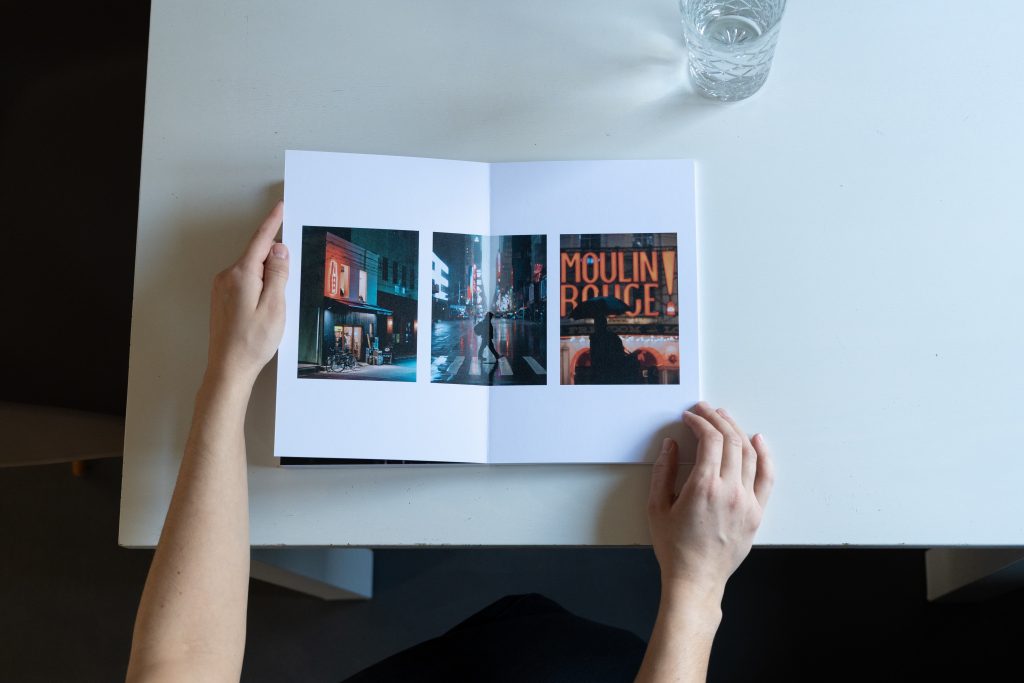
Many creatives tend to arrange their work strictly by the date it was created. For a professional portfolio, however, a thematic structure is almost always the better choice. Group your images according to colour, mood, technique or subject matter. This creates a harmonious visual flow. A chronological structure only makes sense when the development of your art or a long-term documentary project is the main focus.
The Perfect Opening and a Powerful Conclusion
First impressions matter, while the final impression is what remains. Begin your photo book with one of your strongest and most memorable pieces. It should be an image that immediately sparks curiosity. From there, create a compelling visual narrative by alternating quieter images with more complex works. End your portfolio with an exceptional piece that stays in the viewer’s mind. A tried-and-tested book design tip is to leave the very first and very last pages completely white. This white space gives your art room to breathe and creates an exceptionally elegant effect.
Materials and Tactile Qualities for an Authentic Gallery Look
The quality of your portfolio should not only be visible but also tangible. Choosing the right materials reinforces the character of your work and helps you stand out from the crowd.
Which Paper Is Best for an Artistic Portfolio?
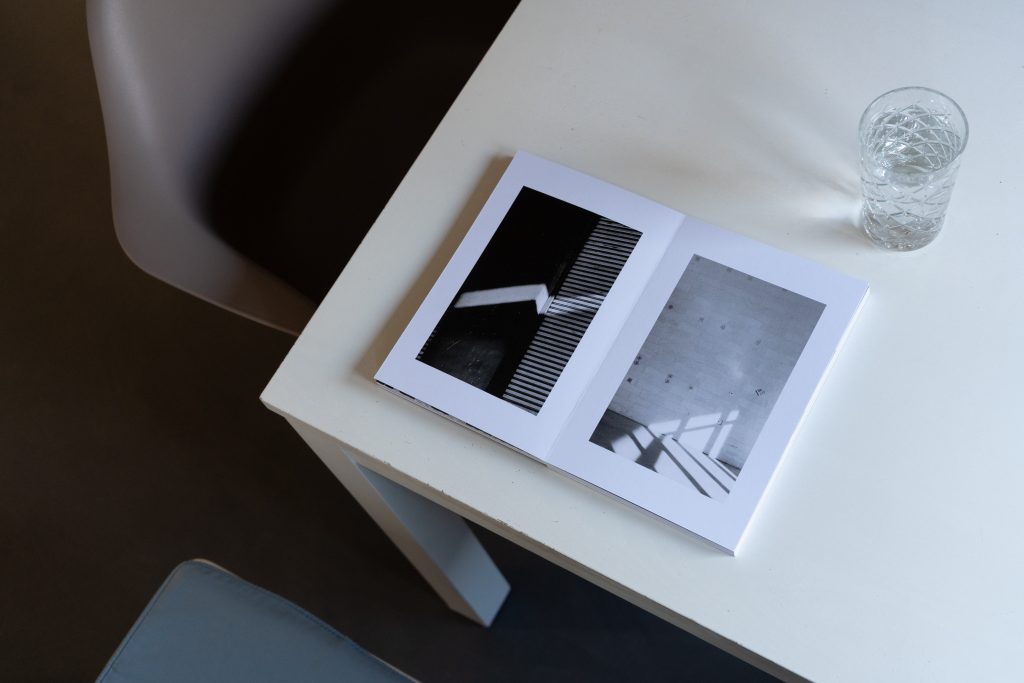
The paper provides the stage for your art. If your work features soft contrasts, pastel shades or a highly painterly, organic appearance, an uncoated natural paper is ideal. It is free from reflections and offers a wonderfully textured, tactile surface. If your photography features strong contrasts, deep blacks or vibrant colours, a coated paper is recommended. It brings out the brilliance of the colours beautifully without appearing inexpensive due to excessive gloss.
Prepress: Preparing Your Files Correctly
To ensure that the printed book matches your vision precisely, careful technical preparation is essential. A beautiful layout loses its impact if the final print appears blurred or the colours are inaccurate.
- Calibrate your monitor: Make sure your screen displays colours accurately. A monitor that is set too brightly often results in a printed image that is too dark.
- Check the resolution: For a sharp and detailed result, all image files should have a resolution of 300 dpi at their original size.
- Allow for bleed: If images are intended to extend all the way to the edge of the page, they must always be extended a few millimetres beyond the page edge in the layout. This prevents unwanted white edges from appearing when the book is trimmed.
Creating a Portfolio: The Path to Your Printed Masterpiece
A first-class photo book can open doors. It shows that you value your own work and are willing to invest in its professional presentation. Take your time when selecting images, use generous amounts of white space in the layout and choose materials that complement your individual style.
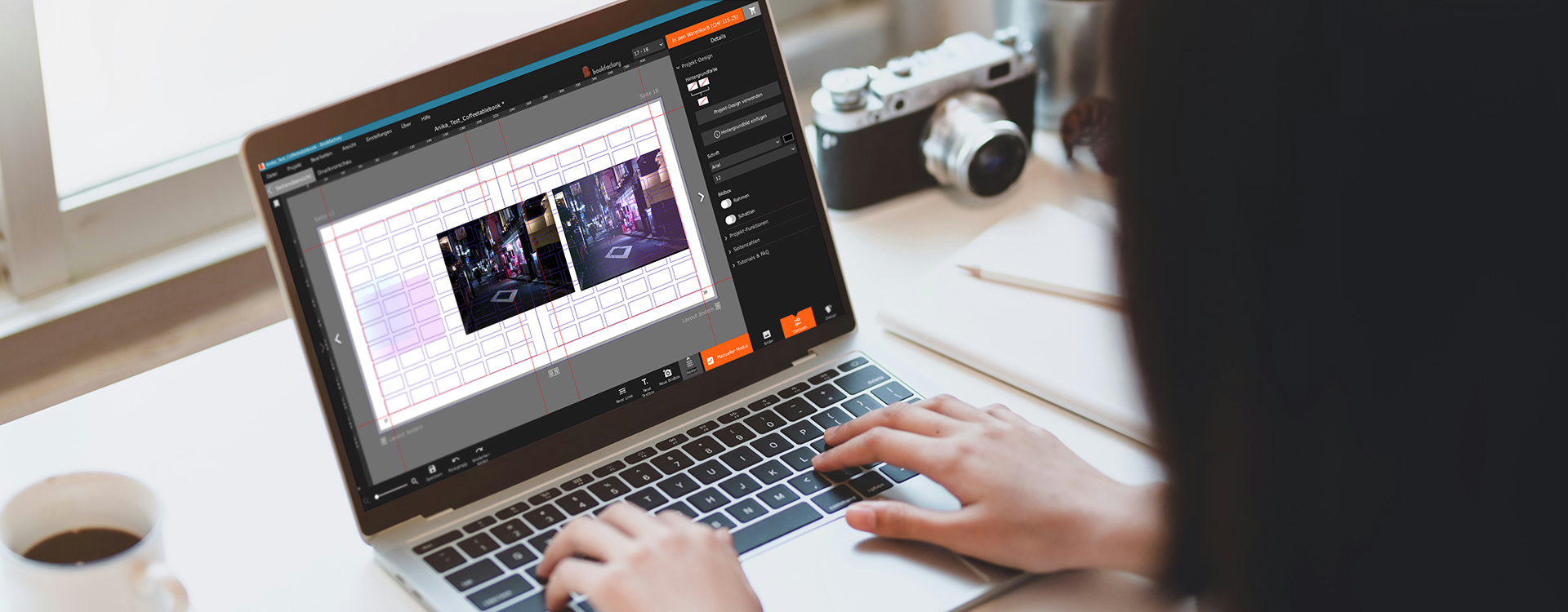
When you are ready, you can use our software to start creating your own portfolio and present your art to the highest standard. Alternatively, you can create your PDF using your preferred design software and upload it to our configurator. Here, we show you how PDF-to-Book works.
Do you need your portfolio quickly and with as little effort as possible? We make our best projects available as templates. You can add your own photos and text directly to create your own book or simply use them as inspiration.
Frequently Asked Questions (FAQ)
What Is the Maximum Number of Images a Professional Portfolio Should Include?
Less is almost always more. Around 20 to 30 carefully curated, outstanding pieces are more than enough to showcase your abilities effectively without overwhelming the viewer with too many images.
Should I Add Explanatory Texts to My Artwork?
A short and concise artist statement or personal introduction at the beginning of the book can be extremely valuable. For the individual works, discreet titles, dimensions or details about the techniques used are usually sufficient, allowing the images to speak for themselves.
Which Type of Binding Is Recommended for Images Spanning Two Pages?
If you want to present large-format artwork or wide panoramic images across an entire double-page spread without a distracting fold in the centre, a layflat binding is by far the best choice.